Developing world-class precision in competitive shooters requires far more than just playing the game for many hours every single day. Most casual players struggle to see improvement because they rely on inconsistent habits and lack a structured approach to their mechanical development.
To truly aim like a professional, you must transform your mouse or controller into a direct extension of your nervous system and muscle memory. This journey toward elite accuracy involves a deep understanding of physical ergonomics, software optimization, and advanced cognitive drills that sharpen your reaction time.
When you watch a top-tier athlete snap to a target, you are witnessing the result of thousands of hours of deliberate practice and technical fine-tuning. Professionals eliminate every possible variable that could cause a missed shot, from their desk height to the specific friction of their mousepad surface.
This comprehensive guide provides a roadmap for players who are tired of being average and want to reach the highest tiers of the leaderboard. We will explore the technical foundations and the psychological secrets that allow the world’s best aimers to maintain total dominance in the digital arena.
Let us dive into the details of professional aiming mechanics to help you unlock your true potential and win more duels.
The Physical Foundations Of Professional Aiming
A. Optimizing Your Setup and Posture
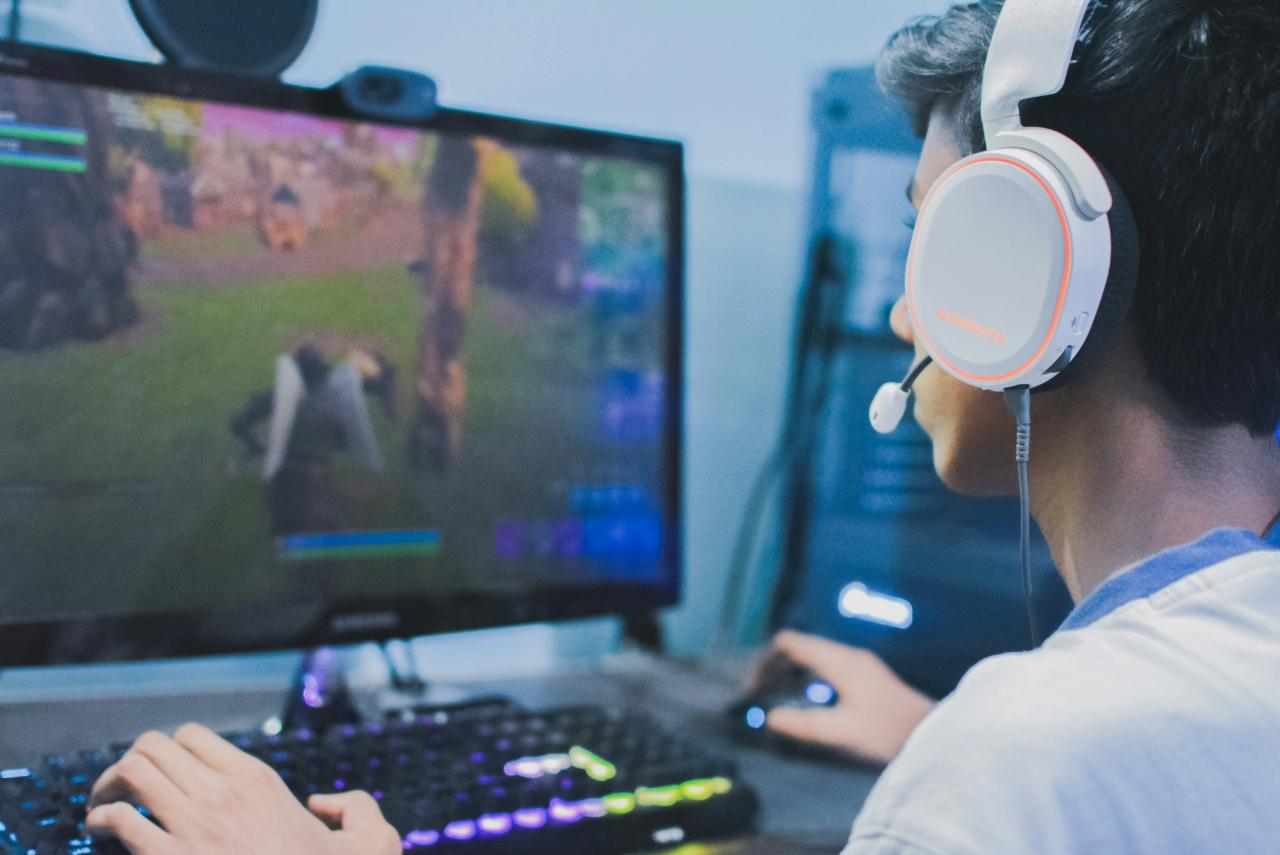
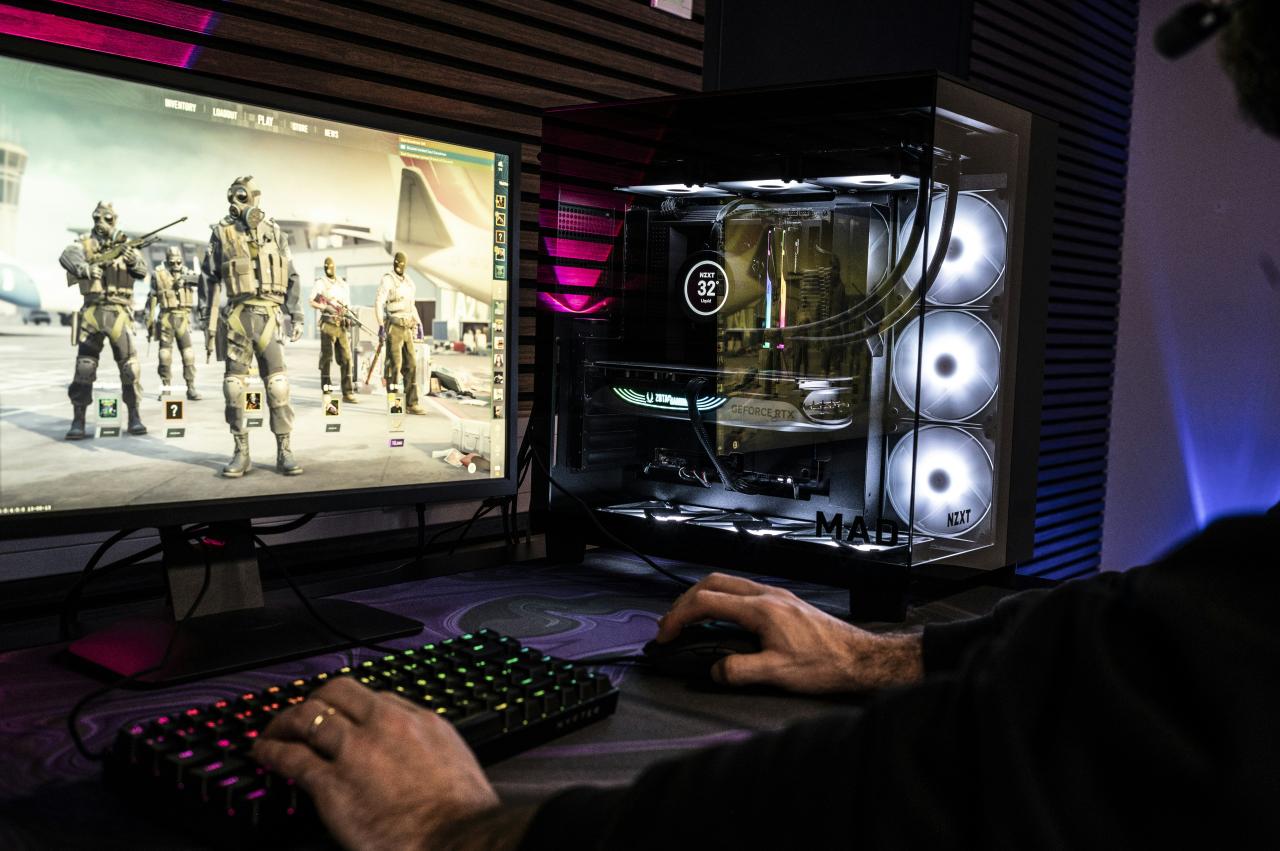
A stable and consistent physical environment serves as the bedrock for developing the muscle memory required for professional-level aiming. You must ensure your chair and desk height allow your arm to rest at a natural ninety-degree angle for maximum range of motion.
Many players sit too low or too high, which creates unnecessary tension in the shoulder and limits the ability to perform large flicks or smooth tracking. Maintaining a consistent posture every time you play ensures that your body starts from the same baseline during every single match.
I have noticed that many players suffer from “shaky aim” simply because they are resting too much weight on their wrist rather than their forearm. You can solve this problem by clearing more space on your desk and allowing your entire arm to move freely across the surface.
This shift from wrist-aiming to arm-aiming provides a much larger physical “canvas,” making it easier to control recoil and track fast-moving targets without straining your joints.
B. Choosing The Right Mousepad Surface
The friction between your mouse and the pad significantly impacts your ability to start and stop your movements with total precision. Professional aimers often choose between “control” pads with high friction for tactical shooters and “speed” pads with low friction for fast-paced tracking games.
A pad that is too fast might cause you to overshoot your targets, while a pad that is too slow can make micro-corrections feel muddy and sluggish. Finding the perfect balance for your specific sensitivity and physical strength is a vital step in your gear journey.
C. Mouse Grip Styles and Finger Placement
The way you hold your mouse—whether it is a palm, claw, or fingertip grip—determines which muscles you use to control your crosshair. Palm grips offer the most stability for long-range tracking, while fingertip grips provide the most agility for vertical movements and rapid target switching.
Claw grips serve as a popular middle ground, offering a blend of stability and the ability to make micro-adjustments with your fingers. You should experiment with different grips to see which one feels most natural and causes the least amount of fatigue during long sessions.
D. Maintaining Gear Consistency
Elite aimers rarely change their equipment because even the smallest difference in mouse weight or button tension can throw off years of muscle memory. Once you find a mouse and pad combination that works, you should stick with it until the hardware literally fails.
Frequently switching your gear “resets” your progress and forces your brain to re-learn the physical distance needed for a specific turn. Discipline in your equipment choices is just as important as discipline in your actual training routine.
Technical Optimization For Near Instant Response
A. Mastering Sensitivity and Effective DPI
Professionals almost universally use lower sensitivities to increase their margin for error and improve their long-range accuracy. A lower sensitivity allows you to use your large arm muscles for big turns and your small wrist muscles for fine-tuning the final shot.
You should calculate your Effective DPI by multiplying your mouse DPI with your in-game sensitivity to find a universal standard. Most elite players stay within a specific range that allows for a one hundred eighty-degree turn across their entire mousepad surface.
If you find yourself constantly overshooting your targets, your sensitivity is likely too high for your current physical control. You can solve this “jittery” movement by lowering your sensitivity by ten percent every few days until you find a setting that feels stable.
This gradual adjustment prevents you from feeling “lost” on the map while significantly improving your ability to land headshots under pressure.
B. Reducing System Latency and Input Lag
Every millisecond of delay between your physical movement and the pixels on the screen can cause you to miss a shot in a high-speed duel. You must optimize your Windows settings, enable “Game Mode,” and use “NVIDIA Reflex” or similar technologies to reduce the click-to-photon latency.
High-refresh-rate monitors are also essential because they provide more visual updates, allowing your brain to process enemy movement much more smoothly. A “snappier” feeling game engine makes your aim feel more connected and intuitive.
C. Disabling Software Acceleration and Smoothing
Software acceleration is the enemy of muscle memory because it changes your cursor speed based on how fast you move the mouse. You must ensure that “Enhance Pointer Precision” in Windows and any in-game “smoothing” options are turned off to maintain a one-to-one input ratio.
Without this consistency, your brain can never learn exactly how far to move your hand to hit a specific point on the screen. Raw input settings ensure that the game receives the purest data directly from your mouse sensor without any interference.
D. Optimizing Graphics For Visual Clarity
Pros often lower their graphics settings not just for higher frames, but to remove visual clutter that can hide enemy silhouettes. Turning off motion blur, depth of field, and high-quality shadows makes it much easier to spot a head peaking over a distant wall.
High contrast and digital vibrance settings can also help enemies stand out against a dark or overly detailed background. Clarity of vision is the first step toward accuracy of fire in any competitive environment.
Advanced Training Drills And Muscle Memory
A. The Science of Deliberate Aim Training
Mindlessly playing matches is not the fastest way to improve; you need dedicated time in aim trainers like Aimlabs or Kovaak’s to focus on specific mechanics. These programs allow you to isolate skills like “flicking,” “tracking,” and “target switching” without the distractions of a real game.
By repeating these specific movements thousands of times, you build the dense neural pathways required for instinctive accuracy. A thirty-minute focused training session is often worth five hours of casual matchmaking for your mechanical growth.
Many players plateau because they only practice what they are already good at during their warm-up routines. You solve this stagnation by identifying your weakest aiming style—like vertical tracking or long-range flicking—and spending seventy percent of your training time on that specific area.
This “targeted training” forces your brain to adapt and fill the gaps in your skill set, leading to a much more well-rounded and reliable performance.
B. Developing Smooth Tracking Mechanics
Tracking involves keeping your crosshair perfectly centered on a moving target for an extended period, which is the most difficult skill to master. You must learn to match the enemy’s velocity with your hand movement while anticipating their next change in direction.
Smoothness is the key here; any “jitter” in your movement will cause you to lose precious damage-per-second. Focus on moving your arm in a fluid, continuous motion rather than a series of small, jerky corrections.
C. Mastering Precise Flicking and Snap Aim
Flicking is the ability to move your crosshair from a neutral position to a target instantly and stop exactly on the head. This requires incredible “stopping power” in your hand and a perfect sense of spatial distance on your mousepad.
Professionals practice “micro-flicks” the most, as these small corrections are what determine the winner of a close-quarters duel. The goal is to move as fast as possible without sacrificing the accuracy of the final landing point.
D. The Importance of Crosshair Placement
The best way to “aim” like a pro is to not have to move your mouse very much at all through perfect crosshair placement. You should always keep your crosshair at head height and aimed at the corner where an enemy is most likely to appear.
This “pre-aiming” reduces the physical distance your mouse must travel, making your eliminations look effortless and “boring.” Good placement is a sign of high game sense and is often more important than raw flicking ability in tactical shooters.
Psychological And Cognitive Aiming Secrets
A. Maintaining Calmness and Avoiding Panic
When you enter a high-pressure situation, your body often triggers a “fight or flight” response that causes your muscles to tense up and your aim to become shaky. Professional aimers have the discipline to stay relaxed and maintain a “loose” grip on their mouse even during the final rounds of a championship.
Tension is the enemy of precision; a relaxed muscle reacts much faster and more accurately than a stiff one. Learning to breathe deeply and stay calm under fire will solve the problem of “choking” easy shots when the game is on the line.
B. Focusing on the Target, Not the Crosshair
A common mistake among beginners is staring at their own crosshair and trying to move it onto the enemy. Elite aimers do the opposite; they lock their eyes onto the target’s head and let their subconscious brain move the crosshair into the field of vision.
This “eye-tracking” method is much faster because it utilizes your brain’s natural ability to point at things you are looking at. You will find that your accuracy increases significantly once you stop overthinking the movement of your hand and start focusing purely on the enemy.
C. The Role of Sleep and Mental Recovery
Your brain builds muscle memory during deep sleep, so a lack of rest will directly negate the progress you made during your training sessions. A tired brain has a much slower reaction time and a reduced ability to process complex visual information in real-time.
Aiming is a high-level cognitive task that requires your nervous system to be in peak condition to perform at its best. Prioritizing seven to eight hours of sleep will solve the problem of “sluggish” aim that often ruins even the best training routines.
D. Developing A Short Term Memory for Misses
Even the best aimers in the world miss shots, but they don’t let those misses affect their confidence for the next engagement. You must develop the ability to immediately forget a missed shot and reset your mental state for the next duel.
Obsessing over a failure causes you to play with hesitation, which is a death sentence in a fast-paced shooter. A confident aimer is a dangerous aimer, regardless of their previous performance in the match.
Conclusion
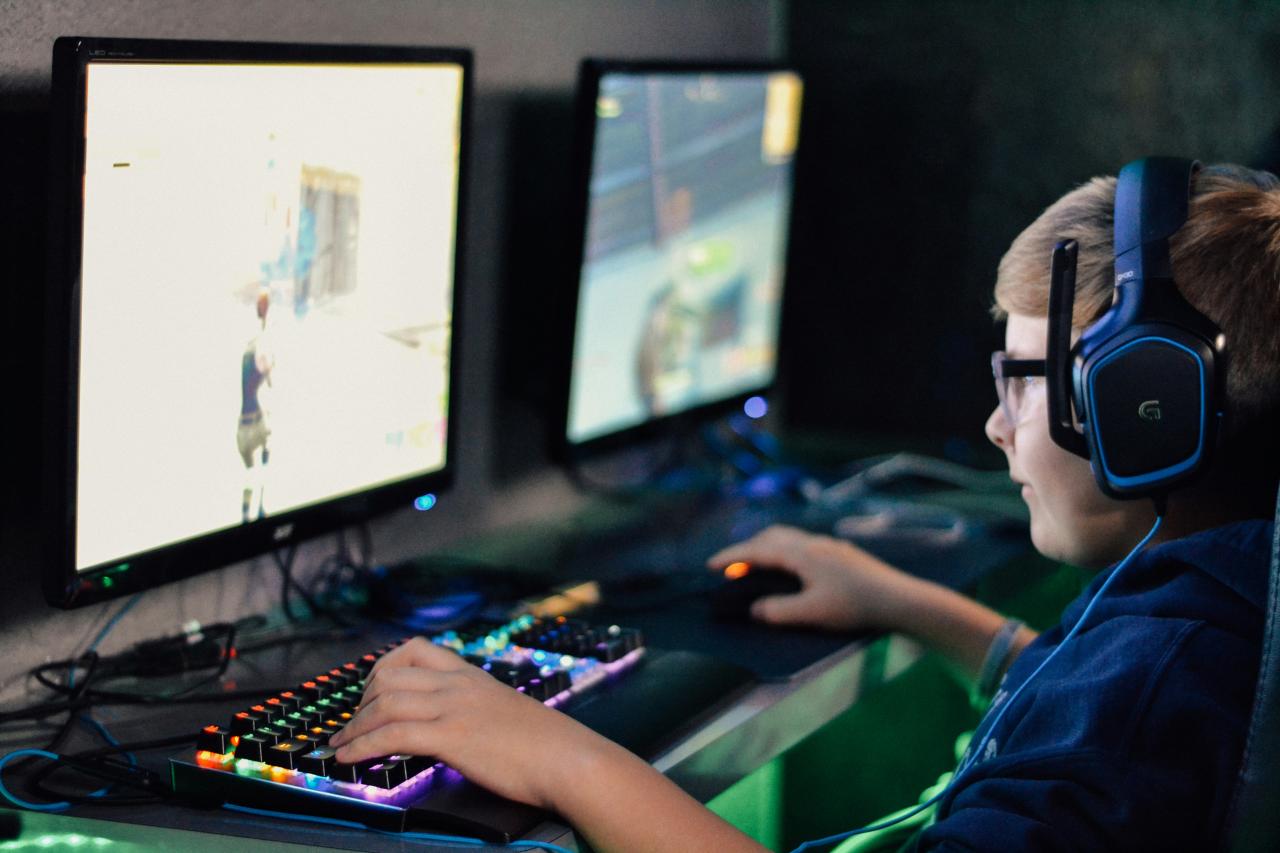
Mastering your aim is a continuous journey of physical and mental refinement. Every pro started by realizing that accuracy is a skill, not a gift. You must invest in a stable setup and a consistent training routine.
Always prioritize smoothness and precision over raw speed during your early practice. The digital arena rewards the players who treat their mechanics with professional seriousness. Don’t let a plateau stop you from reaching the elite levels of play.
A high-end setup helps, but your dedication is the true engine of improvement. The clarity of your vision and the calmness of your mind define your success. The road to the top ranks is paved with thousands of intentional mouse movements.
Take the time to analyze your replays and fix your recurring mistakes. Your journey toward becoming a legendary aimer begins with the very next match. Thank you for exploring the world of professional aiming mechanics with us today.
May your crosshair always find its target and your flicks be perfectly sharp. The top of the leaderboard is waiting for the next great marksman to arrive. Enjoy the satisfying feeling of total control over your digital performance. Your potential is only limited by the amount of focused effort you invest.