
Stepping into a fresh competitive environment requires more than just mechanical skill and fast reflexes to dominate the opposition effectively. Many players struggle to adapt when a developer releases a new map because they rely on old habits that no longer apply to the current terrain.
To truly master a new layout, you must transform your approach into a systematic exploration of sightlines, choke points, and vertical advantages. High-level play demands that you memorize every corner and every possible rotation route long before your enemies do.
Achieving peak performance on a recently launched map involves a deep understanding of spatial geometry and how utility interacts with the new architecture. Most enthusiasts stay stuck in mediocre ranks because they fail to study the map’s unique flow and tactical opportunities.
By aligning your movement with the optimal paths discovered by elite athletes, you can remove the confusion that holds back your true potential.
This comprehensive guide will break down the essential steps needed to transform your map knowledge into a professional-grade strategic advantage. Let us explore the technical foundations of map mastery to help you dominate your next match with total confidence and geographic clarity.
Technical Foundations Of Rapid Map Navigation
A. Analyzing Core Layout Geometry And Structure
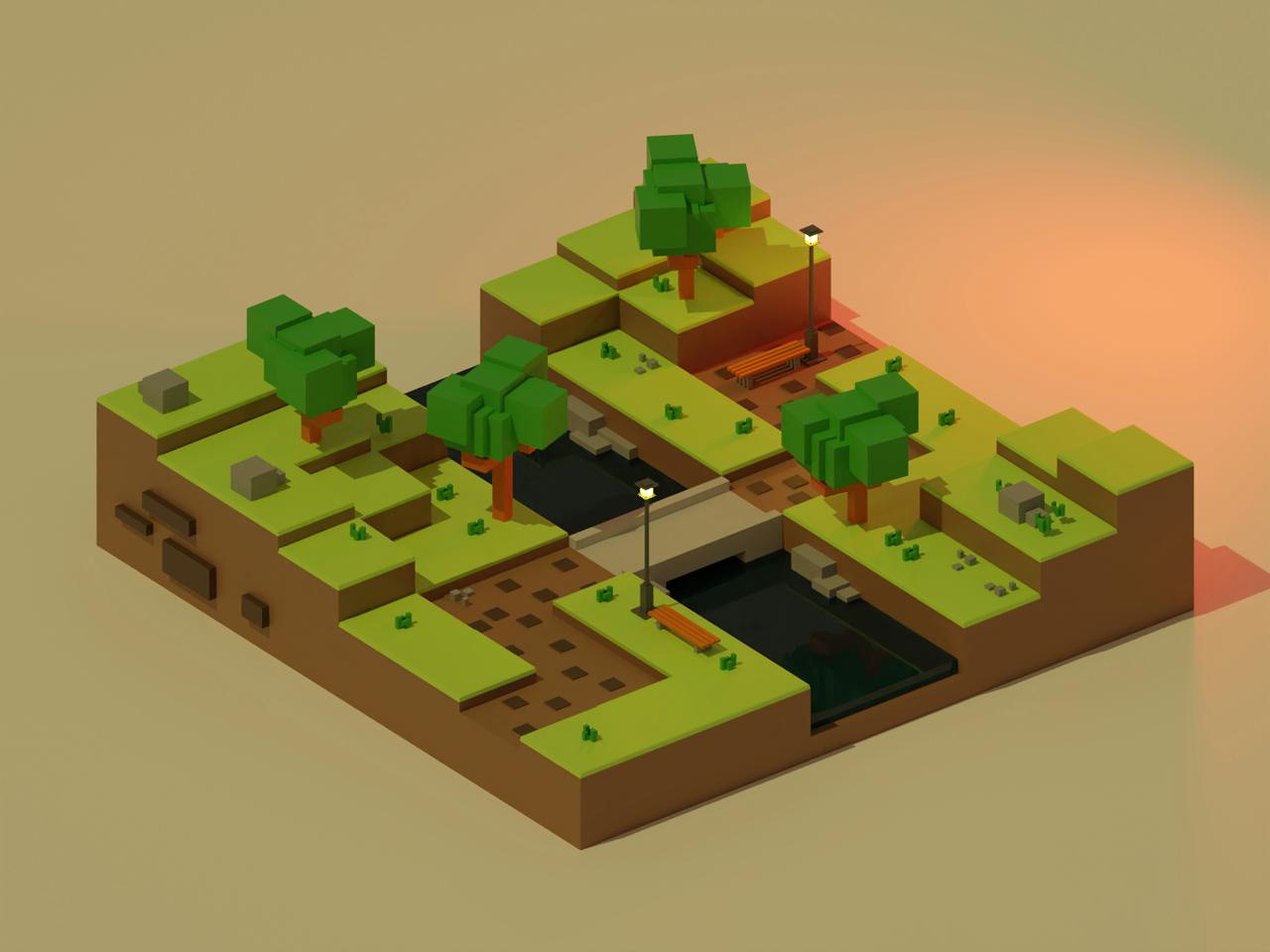
Every competitive map follows a specific structural logic designed to balance offensive pushes and defensive holds throughout the match. You must first identify the primary lanes and how they connect to the central objective areas to understand the general flow.
Most modern layouts use a three-lane system that encourages split attacks and complex flanking maneuvers during intense rounds. Mapping out these paths in your mind allows you to predict where enemies will likely gather and where they will remain vulnerable.
Mastering the basic skeleton of the map ensures that you never feel lost when the action starts to move quickly. You should spend thirty minutes in a private server just running through every hallway to build a mental blueprint.
This simple exercise solves the problem of “geographic panic” when you need to find a quick escape route under heavy fire.
B. Identifying Dominant Power Positions And Sightlines
Power positions are specific spots on the map that grant you a significant visual or physical advantage over your opponents. These areas usually offer superior cover while allowing you to monitor multiple entry points with minimal effort.
You must learn which windows, crates, or high-ground ledges provide the longest sightlines for your team’s snipers and marksmen. Controlling these key areas often dictates the outcome of the entire round because it forces the enemy to waste resources to move you.
High-ranked players prioritize these spots early in the match to establish territorial dominance and limit the enemy’s vision.
If you find yourself dying from unknown angles, it is likely because you are not respecting the map’s established power positions. Holding these zones solves the “visibility gap” and ensures you always see the enemy before they see you.
C. Mastering Verticality And Hidden Movement Paths
Many new maps introduce vertical elements like balconies, vents, and multi-story buildings that add a layer of complexity to every engagement. You must learn how to use these vertical paths to bypass traditional choke points and catch defenders completely off guard.
Most players only look at eye level, so attacking from above or below remains one of the most effective ways to secure quick wins. Climbing onto roofs or using parkour-style movements can open up creative flanking routes that most casual players never even consider.
These hidden paths provide a massive tactical advantage for aggressive playstyles that rely on the element of total surprise. Exploring the vertical limits of a map solves the “linear push” problem where teams get stuck in a single hallway for the whole match.
D. Understanding Sound Propagation And Acoustic Cues
Different materials and room sizes on a new map will change how footsteps and gunshots sound to your ears during a fight. You must learn the difference between the “clack” of metal floors and the “thud” of wooden planks to identify enemy positions accurately.
Some rooms might have echoes that make noises sound closer than they actually are, which can confuse an inexperienced player. Learning these acoustic nuances allows you to use your ears as a secondary radar to track enemy movements through walls.
High-quality audio awareness is often the deciding factor in close-quarters duels where visibility is limited by smoke or debris. Testing different floor materials solves the “directional confusion” that often ruins your situational awareness on a new layout.
Tactical Utility Application In Fresh Environments
A. Finding Optimal Smoke And Vision Blockers
Smoke grenades are the most vital tools for controlling a new map because they allow you to rewrite the visual geometry of the arena. You must find specific “lineups” that block off enemy power positions while allowing your team to move through open areas safely.
A well-placed smoke can turn a deadly open field into a secure corridor for your entry fraggers to exploit. Developers often design maps with specific gaps that can only be crossed by using utility to negate long-range sightlines.
Learning these placements early in the map’s lifecycle gives you a massive advantage over players who are still throwing utility randomly. Effective smoke usage solves the problem of getting “picked off” by snipers during every attempt to reach a site.
B. Developing Flash And Concussion Trajectories
Flashbangs and concussion grenades require a deep knowledge of the map’s walls and ceilings to be used with maximum efficiency. You should look for “pop flashes” that explode the moment they enter an enemy’s field of view to prevent them from reacting.
Every new room has unique corners where a flash can bounce off a surface to blind defenders hiding in deep cover. Mastering these trajectories ensures that your entry into a site is always supported by a disoriented and helpless opposition.
Coordinating these throws with your team’s physical push creates an overwhelming pressure that few defensive setups can survive. Studying the bounce physics of a new room solves the “self-blind” issue that often happens when you use utility in unfamiliar spaces.
C. Strategizing Damage And Area Denial Placement
Molotovs and incendiary devices are essential for clearing out enemies who refuse to move from behind powerful cover. You must identify the most common camping spots on a new map and learn how to flush them out using fire or explosives.
Area denial tools also help you stop an enemy rotation or slow down a fast push while your team reposition themselves. Placing these items in narrow choke points forces the enemy to take damage or wait for the effect to expire.
This control over the enemy’s movement is critical for maintaining the tempo of the match on your own terms. Using fire to clear corners solves the “corner camp” frustration that often ends your win streak prematurely.
D. Optimizing Reconnaissance And Information Utility
Drones, cameras, and recon bolts must be placed in spots that offer the widest possible view of the new map’s primary lanes. You should look for “hidden” spots like high rafters or dark corners where your information tools will not be easily spotted and destroyed.
Information is the most valuable resource on a new map because it removes the fear of the unknown for your entire squad. Knowing exactly how many enemies are waiting on the other side of a wall allows you to make perfect tactical decisions.
Teams that prioritize information gathering always adapt to a new map faster than those who rely on raw aim alone. Clever recon placement solves the “blind entry” problem and ensures your team always makes the right choice.
Strategic Rotations And Team Coordination
A. Calculating Rotation Times And Distance
You must learn exactly how many seconds it takes to travel between the different objectives on a new map at various speeds. Knowing these timings allows you to judge whether you can successfully flank an enemy or if you should stay and defend.
Rotations that are too slow will lead to lost sites, while rotations that are too fast can leave your team vulnerable to a fake attack. Professional squads time these movements meticulously to ensure they always have the numbers advantage whenever a fight breaks out.
Understanding the distance between sites helps you manage your stamina and utility more effectively during long rounds. Keeping a mental timer for every path solves the “late arrival” problem that often costs you the match.
B. Building Crossfire Setups Across New Lanes
New maps offer unique opportunities to create crossfires where two teammates can watch the same area from different angles. You must identify the spots where your lines of sight intersect to ensure that an enemy cannot enter a room without being seen by both of you.
A perfect crossfire makes it nearly impossible for an enemy to win a duel because they cannot aim in two directions at once. This defensive coordination is the hallmark of an elite team that understands the map’s geographic potential.
Communicating these positions clearly during the buy round ensures that your defense remains an impenetrable wall. Setting up crossfires solves the “one-for-one” trade issue and ensures your team stays ahead in player count.
C. Coordinating Objective Takes And Retakes
Every objective on a new map has specific entry points that must be cleared in a precise order to ensure a safe take. You should develop a “standard” execute for your team that involves specific utility usage and synchronized movement into the site.
Retaking a site is often harder than defending it, so you must learn the most effective routes for a counter-attack. Using your remaining utility to clear the most dangerous corners first is the key to a successful retake under pressure.
Practicing these maneuvers in a private server will make your real-match performance feel much more fluid and confident. Having a clear plan for every objective solves the “uncoordinated chaos” that usually happens on unfamiliar maps.
D. Developing Clear Callouts For New Locations
Mastering a new map is impossible without a shared language that allows your team to communicate enemy positions quickly and accurately. You should agree on simple, one-word callouts for every room, hallway, and power position on the layout.
Using vague terms like “over there” or “to the left” will only lead to confusion and unnecessary deaths during a chaotic fight. Clear callouts allow your teammates to react instantly to information without having to look at their mini-map for context.
This verbal discipline is what separates professional communication from casual chatter in a high-stakes environment. Establishing a callout sheet solves the “communication breakdown” and ensures everyone on your team is on the same page.
Conclusion

Mastering a new map layout is a rewarding journey that requires both curiosity and strategic discipline. Every fresh arena offers a chance to reinvent your playstyle and find new ways to win. You should view every corner as a potential advantage and every sightline as a tactical opportunity.
Knowledge of the terrain is often more valuable than raw aim in high-level competitive play. Take the time to explore the map’s secrets long before you enter a ranked match. Your ability to adapt will define your success as the game continues to evolve and grow.
The digital world rewards those who are willing to study the details of their environment. Don’t let the unknown be the reason you stay stuck in the middle ranks. The road to the top tiers starts with a deep understanding of the ground you stand on.
Your mastery of the layout will give you the confidence to lead your team to victory. Thank you for trusting this guide to help you conquer the latest maps in the arena. May your rotations be fast and your map knowledge be deeper than your rivals’.
The digital arena is waiting for you to claim your territory on the newest stage. Enjoy the process of discovery and the satisfaction of a perfectly executed strategic plan. Your journey toward becoming a map specialist begins with the very next round you play. Level up your geographic awareness and you will inevitably level up your overall game performance.