The digital entertainment landscape is currently undergoing a massive transformation as the major streaming giants fight for total dominance over our screens and attention. For many years, a single platform controlled the majority of the market, but the arrival of powerful new competitors has completely reset the competitive environment for creators and viewers alike.
We are witnessing an era where platforms no longer just offer a place to host videos; they provide complex ecosystems involving multi-million dollar contracts, advanced monetization tools, and deep social integration.
This fierce rivalry has forced every service to innovate rapidly, introducing features like high-bitrate streaming, integrated shopping, and AI-driven content discovery to keep users engaged.
As a viewer or a content creator, understanding the mechanics of these “platform wars” is essential for making informed decisions about where to invest your time and resources.
The struggle between established legacy brands and hungry new challengers has created a volatile market where the rules of engagement change almost every month.
This comprehensive guide explores the technical foundations and the strategic maneuvers that define the current era of streaming platform competition across the globe.
Let us dive into the mechanics and the human ingenuity behind the most significant battle in the history of digital media to help you understand what comes next.
The Technical Infrastructure Behind Streaming Dominance
A. Mastering High Bitrate And 4K Delivery
The primary weapon in the fight for viewer loyalty is the quality of the video stream itself, as audiences now demand crystal-clear 4K resolution without any buffering. Platforms invest billions into global Content Delivery Networks to ensure that a viewer in Tokyo experiences the same low latency as a viewer in New York.
High-bitrate streaming allows for more detail in fast-paced scenes, which is particularly vital for the massive gaming and live sports categories. When a platform offers superior visual fidelity, it immediately attracts high-end creators who want their work to look professional and polished.
Many streamers lose viewers because of “pixelation” during high-action moments, but switching to a platform with better encoding protocols solves this visual quality problem instantly.
B. Integrated Monetization And Revenue Sharing Models
Every platform tries to lure the best talent by offering more generous revenue splits, subscription models, and direct tipping features. We are seeing a shift away from traditional ad-revenue models toward “fan-direct” economies where viewers can support their favorite creators through digital gifts and exclusive memberships.
This financial competition has created a “bidding war” for the world’s most popular personalities, with some signing exclusive contracts worth tens of millions of dollars. A platform with a robust and transparent payment system builds long-term trust and loyalty among its most valuable assets—the creators.
If you feel like your current platform takes too large a cut, exploring newer services with aggressive revenue splits solves the problem of financial stagnation for growing channels.
C. AI Driven Discovery And Content Algorithms
The true “brain” of any streaming service is the algorithm that decides which videos to show to which users at any given moment. Modern platforms use sophisticated machine learning to analyze billions of data points, including watch time, click-through rates, and social engagement, to personalize the user experience.
A successful discovery engine can turn an unknown creator into a global superstar overnight by matching their content with the perfect audience. This technical advantage is what keeps viewers coming back to a specific app, as they feel the service “understands” their personal tastes better than any human could.
Creators often feel “buried” by the algorithm, but learning how to use specific metadata and engagement triggers solves the problem of low visibility in a crowded market.
D. Low Latency Interaction and Live Engagement
For live streaming, the delay between a creator speaking and the viewer hearing it is the most critical technical metric for community building. High-performance platforms have reduced this “glass-to-glass” latency to less than two seconds, allowing for near-instant communication between the streamer and the chat.
This real-time interaction is what makes live content feel personal and exciting compared to traditional pre-recorded television broadcasts. Features like live polls, interactive overlays, and shared mini-games further enhance this sense of community and active participation.
Choosing a platform with “ultra-low latency” modes solves the problem of disconnected conversations and makes your live broadcasts feel like a genuine social gathering.
Strategic Maneuvers In The Content War
A. Exclusive Contracts and Talent Poaching
The biggest platforms often engage in high-profile “talent raids,” offering massive guaranteed contracts to convince top creators to switch allegiances. These exclusive deals are designed to pull entire fanbases away from competitors and establish a platform as the “home” of a specific genre or community.
While these moves are expensive, they provide an immediate boost to viewership and lend a sense of prestige to the service. For the creator, these deals offer financial security and the chance to help shape the future of a growing platform from the ground up.
If you are a rising star, building a multi-platform presence solves the risk of being “trapped” by a single service’s changing policies and ensures you have leverage during contract negotiations.
B. Diversification Into Original Programming
Streaming services are no longer just hosts; they are becoming major production studios that create exclusive movies, shows, and documentaries. By owning the content they host, platforms avoid the high costs of licensing and create a “walled garden” that viewers must pay to enter.
This strategy builds a strong brand identity and gives users a reason to maintain their subscriptions even when their favorite independent creators are not active. Original programming also allows platforms to experiment with new formats and technology that might not be possible on a standard hosting service.
Viewers who feel “bored” with repetitive user-generated content often find that original series solve their need for high-production-value entertainment.
C. The Rise of Short Form Vertical Video
The massive explosion of vertical, short-form video has forced every major player to introduce their own version of “shorts” or “reels” to stay relevant. This format caters to the shrinking attention spans of the mobile generation and provides a highly addictive, “infinite scroll” experience.
Short-form content serves as the perfect “top-of-funnel” marketing tool, allowing creators to reach millions of new viewers with minimal production effort. Platforms that master this format often see the highest growth in younger demographics who prefer quick, bite-sized entertainment over long-form broadcasts.
If you struggle to grow a long-form channel, mastering the 60-second vertical format solves the problem of slow audience acquisition and gives you a faster path to virality.
D. Cross Platform Integration And Ecosystem Locks
Leading tech giants often integrate their streaming services with their other products, such as operating systems, game consoles, and smart home devices. This “ecosystem lock” makes it incredibly convenient for users to stay within a specific platform’s world, as their subscriptions and preferences are shared across all their devices.
For example, a gaming console that comes pre-installed with a specific streaming app makes that service the “default” choice for millions of players. This level of integration is a powerful barrier to entry for smaller competitors who do not have their own hardware or software ecosystems.
Users who value convenience find that these integrated systems solve the problem of “app fatigue” by keeping everything they need in one unified place.
The Impact On Content Creators And Communities
A. Increased Negotiating Power for Top Talent
As the wars intensify, the world’s most popular creators have more power than ever before to demand better terms and more creative freedom. Platforms are willing to listen to the needs of their top performers because they know how easily a community can migrate to a competitor.
This has led to better copyright protection tools, improved creator dashboards, and more direct lines of communication between the talent and the tech companies. For the first time in history, the people making the content have a seat at the table where the major business decisions are made.
If you feel unheard by your current platform, joining a creator union or agency solves the problem of individual vulnerability during policy changes.
B. Fragmented Audiences and Community Migration
One of the downsides of the platform wars is that the global audience is now split across many different services, making it harder for creators to reach everyone at once. When a major creator moves to a new platform, their community often fragments, as some fans refuse to download a new app or pay for another subscription.
This forces creators to work harder to maintain their presence across multiple social channels to keep their brand cohesive and active. However, this fragmentation also creates “niche” opportunities for smaller platforms to cater to specific interests that the giants might ignore.
Understanding where your specific audience “hangs out” solves the problem of wasted marketing effort and helps you build a more loyal and focused core community.
C. Innovation in Interactive Monetization Tools
To keep creators from leaving, platforms are constantly inventing new ways for them to make money directly from their most loyal fans. Features like “super chats,” channel memberships, and integrated merchandise stores allow creators to build sustainable businesses without relying on unpredictable ad revenue.
These tools empower creators to focus on quality over quantity, as they only need a small group of dedicated supporters to thrive financially. This shift toward “micro-economies” is the future of digital work and provides a more stable path for long-term career growth.
Utilizing these direct-support tools solves the problem of “ad-pocalypse” events where external brands suddenly pull their funding from certain types of content.
D. The Pressure Of Constant Content Creation
The intense competition between platforms often trickles down to the creators, who feel pressured to upload or stream constantly to stay relevant in the algorithm. This “treadmill” of content creation can lead to severe burnout and a decline in mental health if it is not managed carefully with scheduled breaks.
Platforms are starting to recognize this and are introducing features that allow creators to take “vacations” without being penalized by the discovery engine. Learning to prioritize quality and consistency over raw volume is the secret to a long and successful career in the streaming world.
Setting strict “work hours” for your channel solves the problem of burnout and ensures you remain passionate about your craft for years to come.
The Future Of The Global Streaming Landscape
A. Integration Of Virtual And Augmented Reality
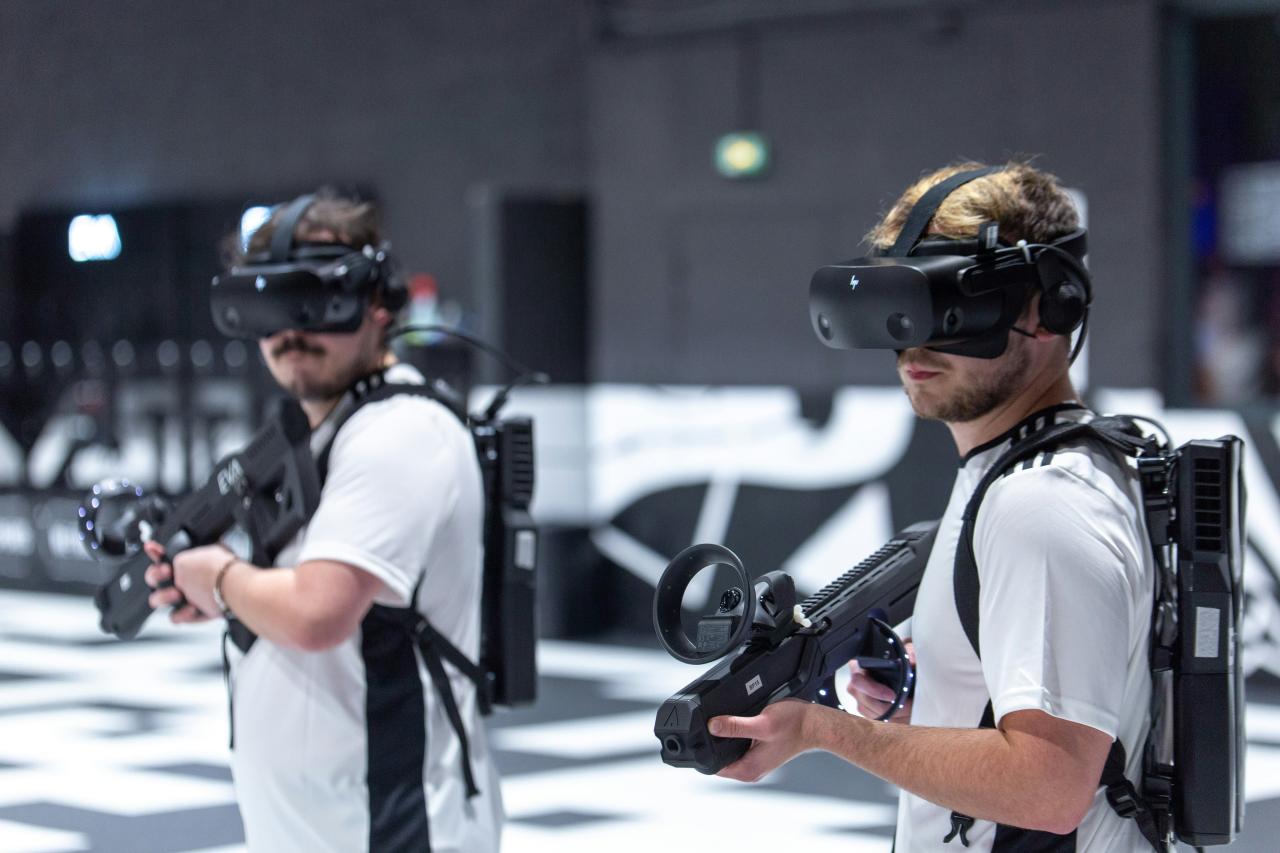
The next major battlefield in the platform wars will likely be the “metaverse” and the integration of immersive VR and AR experiences into the viewing habit. Imagine watching a live concert where you can walk around the stage or a gaming stream where you sit inside the cockpit with the player.
Platforms that can successfully bridge the gap between 2D screens and 3D environments will capture the imagination of the next generation of tech-savvy viewers.
This technical leap will redefine what we consider to be “content” and create entirely new categories of interactive entertainment. Early adoption of VR-friendly formats solves the problem of “innovation stagnation” and puts your channel at the forefront of the next massive cultural shift.
B. Decentralized Streaming And Web3 Technologies
We are seeing the early stages of decentralized platforms that use blockchain technology to give creators total ownership of their content and their audience data. These “Web3” services promise a world without a central authority that can ban users or change revenue splits without warning.
While still in its infancy, this movement represents a powerful “counter-culture” to the corporate control of the current streaming giants.
For those who value total independence and transparency, decentralized models offer a fascinating alternative to the status quo. Exploring these emerging platforms solves the fear of “platform de-platforming” and ensures you always own the relationship with your fans.
C. Hyper Personalized AI Content Streams
In the future, AI may not just recommend videos but actually help “generate” customized content paths for every individual viewer. Imagine a platform that can edit a long stream into a personalized highlight reel based on exactly what you find funny or exciting.
This level of hyper-personalization will make the viewing experience more efficient and addictive than anything we have ever seen before. Platforms that leverage AI to respect the viewer’s time while maximizing their enjoyment will win the war for the “scarce attention” of the modern consumer.
Embracing AI tools for your own video editing solves the problem of “time-consuming post-production” and allows you to output more high-quality content with less effort.
D. The Consolidation Of Smaller Niche Services
As the cost of competition continues to rise, many smaller streaming services will likely be acquired by the giants or merge together to survive the pressure. This consolidation will create a few “super-apps” that offer everything from live sports and movies to independent gaming streams and social networking.
For the user, this means fewer subscriptions to manage, but it also means less overall competition in the market which could lead to slower innovation. Staying aware of these corporate shifts helps you position your brand so that you are always on the “winning” side of the next major merger.
Adapting your content to fit the “super-app” model solves the problem of audience fragmentation and puts your work in front of the largest possible unified crowd.
Conclusion
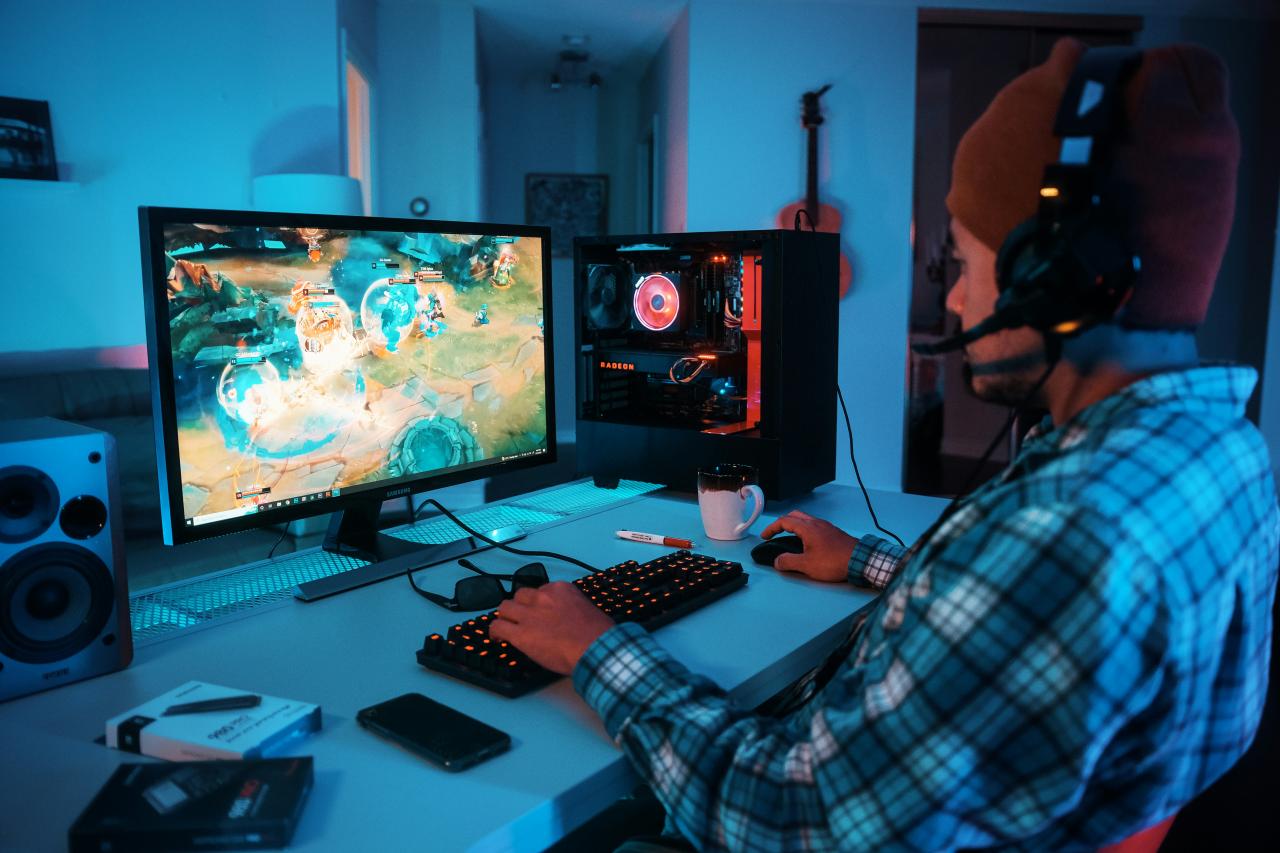
The streaming platform wars are a constant battle for the future of digital culture. Every innovation in technology brings a new opportunity for creators and fans alike. You must stay adaptable to thrive in an environment that never stays the same.
Choose the platforms that respect your work and provide the best tools for growth. Success in this era requires a balance of technical knowledge and creative passion. Don’t let the noise of the platform competition distract you from your core audience.
The digital world is large enough for many different types of voices to be heard. A loyal community is your most valuable asset regardless of which app they use. We are watching the birth of a new era of global, interactive entertainment today.
Thank you for exploring the complex world of streaming platform wars with us. May your bitrates be high and your community always find your new home. The digital arena is waiting for the next great voice to dominate the screen.
Enjoy the creative freedom and the power that modern streaming technology provides. Your journey toward becoming a top-tier creator begins with the very next broadcast. Level up your platform strategy and you will inevitably level up your overall career. The future of entertainment belongs to those who understand the rules of the war.