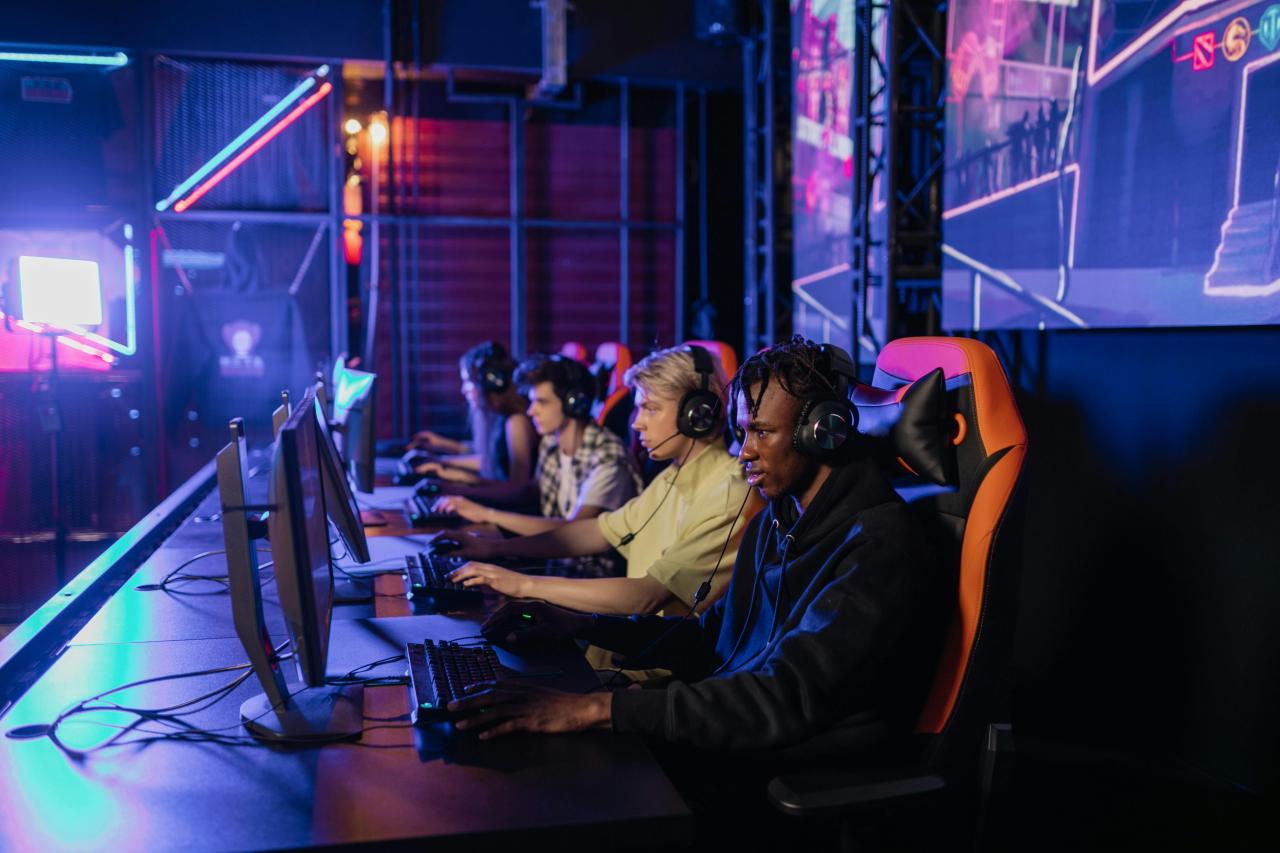
The world of competitive gaming has transformed from small basement gatherings into massive global spectacles that fill stadiums and capture millions of viewers online.
At the heart of this explosive growth lies the raw energy of professional rivalries, which provide the narrative tension necessary to turn a simple match into an unforgettable event.
These storied conflicts between legendary teams and individual players do more than just entertain; they define the very culture of different gaming communities and push the boundaries of what is possible in digital sports.
Fans often find themselves deeply invested in these matchups because they represent different philosophies, regional prides, or contrasting styles of play that mirror classic sports drama.
As the industry continues to mature, the intensity of these battles only increases, drawing in massive sponsorships and creating a sustainable ecosystem for professional athletes.
Understanding these rivalries is essential for anyone looking to grasp why certain games remain popular for decades while others fade away into obscurity.
By examining the history and the personal stakes involved in these clashes, we can see how competition drives innovation and keeps the audience coming back for more every single season.
Legendary Team Clashes in Tactical Shooters
 A. Team Liquid vs. Astralis
The rivalry between these two organizations redefined the Counter-Strike scene during a period of absolute dominance and heartbreaking silver medals. Fans witnessed a tactical chess match where one team brought raw mechanical skill while the other utilized unprecedented strategic depth and utility usage.
It was a battle for the soul of the game, proving that consistency often outweighs individual brilliance in the long run of a professional circuit.
From my perspective, this rivalry taught fans that losing gracefully is just as important as winning, as both teams pushed each other to reach a level of perfection that the scene had never witnessed before.
B. G2 Esports vs. Natus Vincere
This matchup often centers on the clash of superstar personalities and the weight of regional expectations between Europe and the CIS region. Each encounter feels like a heavyweight boxing match where every round counts toward a larger legacy of dominance in the server.
The atmosphere in the arena shifts whenever these logos appear on the screen, signaling a high-stakes environment where one mistake can end a championship run. I believe the beauty of this specific conflict lies in the unpredictability, showing readers that even the best-laid plans can crumble under the pressure of a true rival.
C. Sentinels vs. Fnatic
In the younger ecosystem of Valorant, these two giants represent the bridge between North American flair and European discipline. Their matches serve as a benchmark for how the meta evolves across different continents, often sparking heated debates among fans about which region truly understands the game best.
Every map played between them is a lesson in adaptation and psychological warfare, as players try to outread each other’s movements in real-time. This rivalry highlights how new games can quickly develop deep-seated animosities that fuel viewer engagement and player motivation alike.
D. LOUD vs. Optic Gaming
This specific rivalry brought the passion of Brazilian fans into direct conflict with the established giants of the North American scene. The energy surrounding these games is often electric, characterized by loud chants and a level of intensity that transcends the digital screen.
It represents a geographical struggle for power that has helped solidify the global reach of tactical shooters in recent years. Looking at this from a player’s view, this rivalry solves the problem of complacency by ensuring that no team ever feels safe at the top of the rankings.
Iconic Player Duels in Multiplayer Battle Arenas
A. Faker vs. Chovy
The narrative of the “Unkillable Demon King” facing off against the “New Generation” is perhaps the most compelling story in the history of League of Legends. While one player holds the crown of history and multiple world titles, the other represents the peak of modern mechanical efficiency and laning prowess.
Their mid-lane confrontations are analyzed frame-by-frame by aspiring pros and casual fans who want to learn the nuances of high-level positioning. I think this duel is the perfect example of how individual excellence can inspire an entire generation to pick up a mouse and keyboard to chase their own dreams.
B. Puppey vs. KuroKy
This rivalry is rooted in a long shared history, moving from being teammates to leading two of the most successful organizations in the Dota 2 universe. It is a battle of veteran captains who have seen the game change through countless patches and roster shuffles.
Their ability to draft against one another is legendary, often turning a game of Dota into a psychological battle before the players even enter the map. This teaches us that leadership and experience are often the most valuable assets a team can have when the pressure of a multi-million dollar prize pool is on the line.
C. Caps vs. Rookie
When these two mid-laners meet, it is a guaranteed fireworks display of aggressive plays and high-risk maneuvers. They represent the creative peak of their respective regions, often picking unconventional champions to catch the opponent off guard.
The respect they show each other in interviews contrasts sharply with the ruthlessness they display during the actual match. From a fan’s perspective, watching these two compete solves the boredom of standard gameplay by introducing a level of chaos and creativity that is rarely seen in professional play.
D. Uzi vs. Rekkles
This classic marksman battle defined the bottom lane meta for years, pitting the aggressive, resource-heavy style of the East against the calculated, safe playstyle of the West. It was a clash of cultures and philosophies regarding how a carry should behave in the late stages of a game.
Even though their paths have diverged, the impact of their encounters remains a cornerstone of the game’s competitive lore. I feel that this rivalry reminds us that even in a team game, the narrative of two individuals fighting for supremacy can be the most effective way to build a lasting brand.
Regional Wars and Continental Pride
A. North America vs. Europe
This is the oldest and most vocal rivalry in the history of Western esports, spanning across almost every competitive title in existence. The banter between these two regions fuels social media engagement and creates a festive atmosphere during international tournaments.
While the results on the trophy cabinet might favor one side, the passion of the supporters remains evenly split. This rivalry solves the issue of low stakes in early tournament stages by giving every single match a “bragging rights” element that keeps the audience glued to their seats.
B. China vs. South Korea
The battle for Asian supremacy is often considered the highest level of play in the world, specifically within the realm of strategy games and MOBAs. These two regions have invested heavily in infrastructure and training academies, resulting in a constant cycle of innovation.
Their matches are often characterized by extreme discipline and a deep understanding of game mechanics that leaves Western viewers in awe. My view is that this specific rivalry acts as the engine of the industry, forcing the rest of the world to improve or be left behind in the dust.
C. Brazil vs. The World
The Brazilian scene is known for its incredible passion and the ” underdog” spirit that allows their teams to take down established giants. Whether it is in shooters or battle arenas, the Brazilian fans bring a level of noise and support that is unmatched by any other region.
This creates a unique dynamic where any team playing against a Brazilian squad feels like they are the “villain” of the story. This rivalry helps the global community understand that culture and emotion are just as important to the success of an esport as the software itself.
D. Southeast Asia vs. The Established Regions
The rise of mobile gaming and the expansion of PC titles in Southeast Asia has created a new front in the global esports war. Teams from this region are often seen as “giant killers” who use unorthodox strategies to disrupt the flow of traditional powerhouses.
Their inclusion in major circuits has forced older organizations to rethink their approach to international scouting and meta-analysis. I believe this diversification is the key to solving the problem of stagnation in long-running games, as it introduces fresh blood and new ways to play.
Conclusion
The competitive landscape of digital gaming thrives on the stories we tell about the players. Rivalries provide the necessary spark to turn a simple software interaction into a historical event for millions.
You should watch these matches to see how human spirit overcomes technical challenges. The drama of the stage is real and affects every player deeply.
Competition drives every athlete to reach for a higher level of performance. These battles ensure that the quality of play never stops improving for the viewers.
Fans find a sense of community when they support their favorite teams. This shared passion creates a bond that lasts long after the final whistle blows.
Every victory and every defeat adds a new chapter to the ongoing saga of esports. The history of these rivalries is still being written by the new generation.
The future of entertainment lies in these digital arenas where legends are made. You can feel the excitement building with every new tournament announcement.